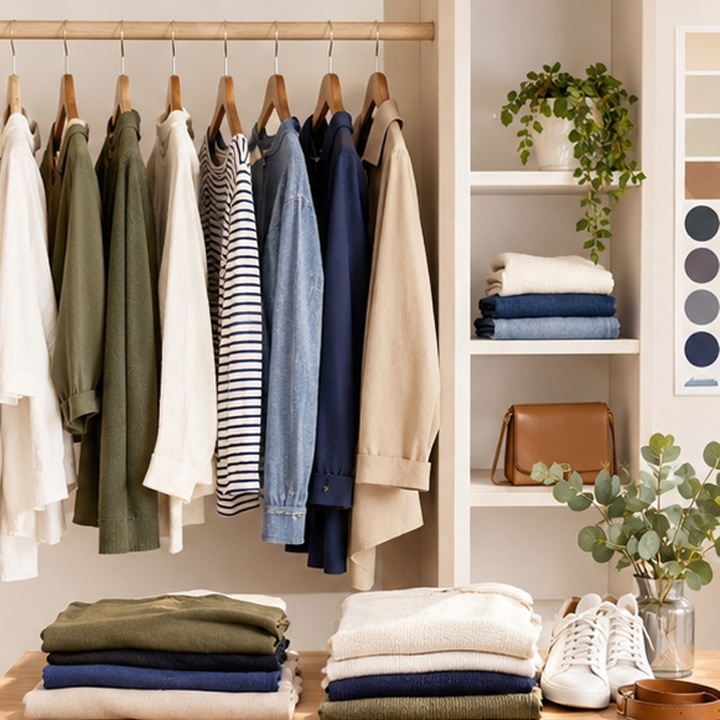
The Secret To Creating More Outfits With Fewer Pieces
A wardrobe does not need to be overflowing with clothes to offer plenty of outfit possibilities. In fact, having fewer well-chosen pieces can often make getting dressed easier, more creative, and more enjoyable. The secret is not having more options, but understanding how the pieces you already own can work together.
A versatile wardrobe gives you the freedom to create different looks without constantly searching for something new. With a thoughtful selection of colours, fabrics, silhouettes, and everyday essentials, a small collection can become the foundation for countless combinations.
Start With Versatile Pieces
The most useful pieces in a wardrobe are those that can work across different outfits and occasions. Instead of choosing clothing based only on how it looks individually, consider how easily it can combine with other pieces.
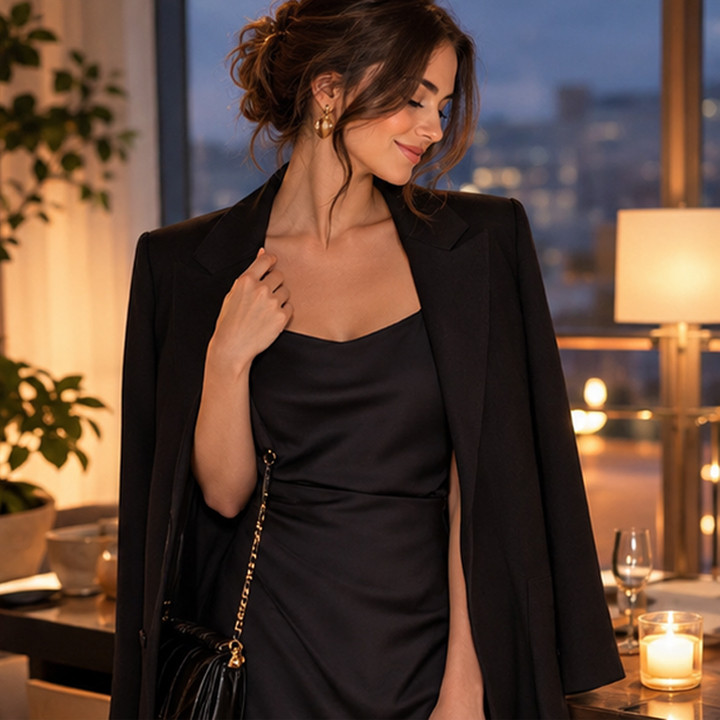
A simple top can become part of a relaxed daytime outfit, a polished workwear combination, or an evening look depending on what you pair it with. Likewise, a well-cut pair of trousers can work with several tops, layers, and colour combinations.
Versatility gives every piece more purpose. When most of your wardrobe can interact with one another, you naturally gain more outfit possibilities.
Build Around A Balanced Colour Palette
Colour plays a major role in creating multiple outfits from fewer pieces. A balanced palette makes it easier to mix and match without making every combination feel identical.
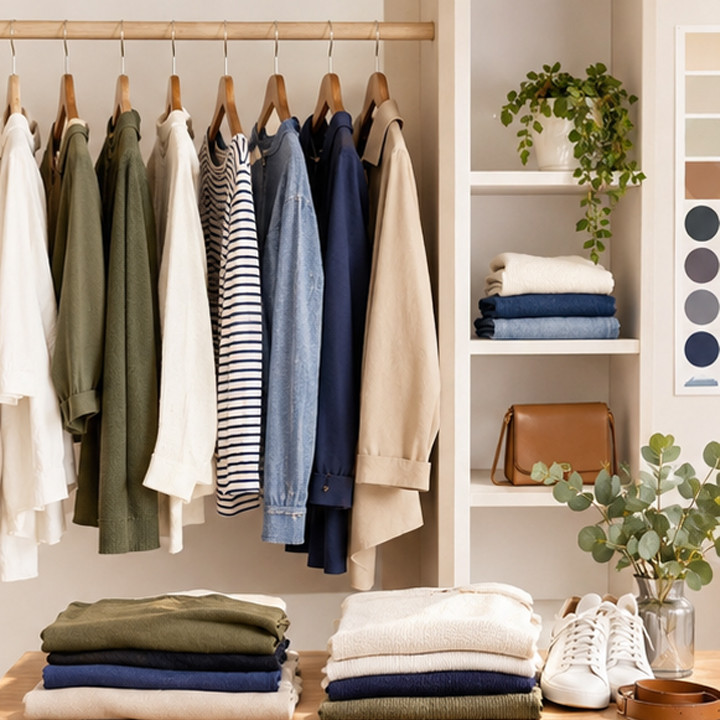
Neutral shades can provide a dependable foundation, while a few stronger colours can introduce personality. You might choose several tones that complement one another rather than filling your wardrobe with completely unrelated colours.
The goal is not to restrict yourself to a handful of shades. Instead, think about how each colour interacts with the others. When your choices feel naturally connected, creating an outfit becomes much simpler.
Think In Layers
Layering can completely change the appearance of an outfit without requiring an entirely new combination.
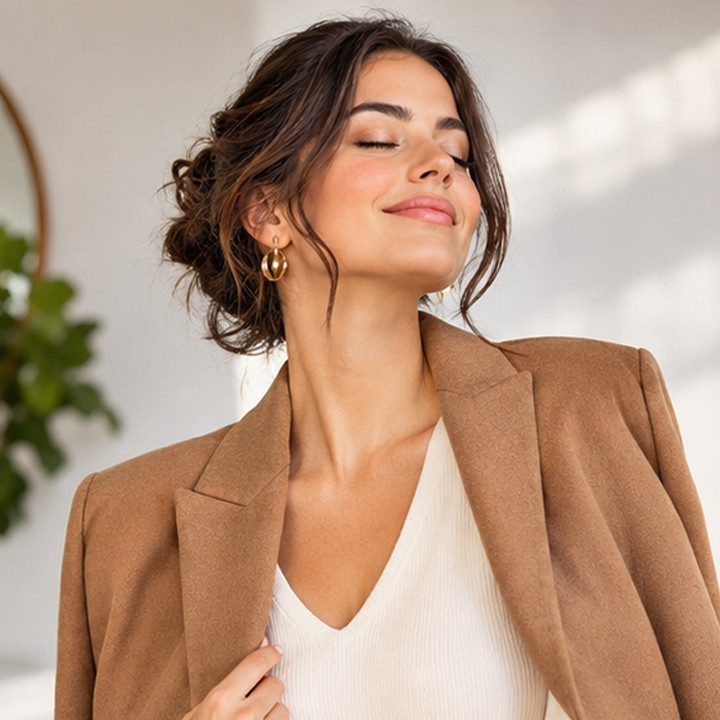
A basic shirt can look different when worn beneath a lightweight jacket, an open overshirt, or a structured outer layer. A simple dress can also take on a different character when combined with another layer.
Layers add depth, texture, and visual interest. They also allow individual pieces to move between seasons and occasions more easily.
Rather than viewing each garment as a standalone item, think about how it can become part of several combinations.
Mix Different Silhouettes
Wearing the same type of shape repeatedly can make a wardrobe feel more limited than it actually is. Experimenting with proportions can create noticeable variety.
For example, a relaxed top paired with a more structured lower half creates a different impression from a fitted top combined with flowing trousers. Changing the relationship between fitted, relaxed, structured, and fluid pieces can make familiar clothing feel new.
You do not need dramatically different garments to achieve this. Small changes in proportion can create an entirely different visual balance.
Let Texture Create Variety
When your wardrobe contains fewer pieces, texture becomes an excellent way to keep outfits interesting.
Cotton, linen, denim, knitwear, and other fabrics each create their own visual character. Combining contrasting textures can make a simple outfit feel more considered without making it complicated.
A smooth fabric paired with something textured can add dimension. Lightweight materials can also balance heavier layers, creating a combination that feels comfortable and visually appealing.
Texture allows you to create variety even when the colour palette remains relatively consistent.
Create Outfit Formulas
One of the easiest ways to simplify dressing is to identify combinations that consistently work for you.
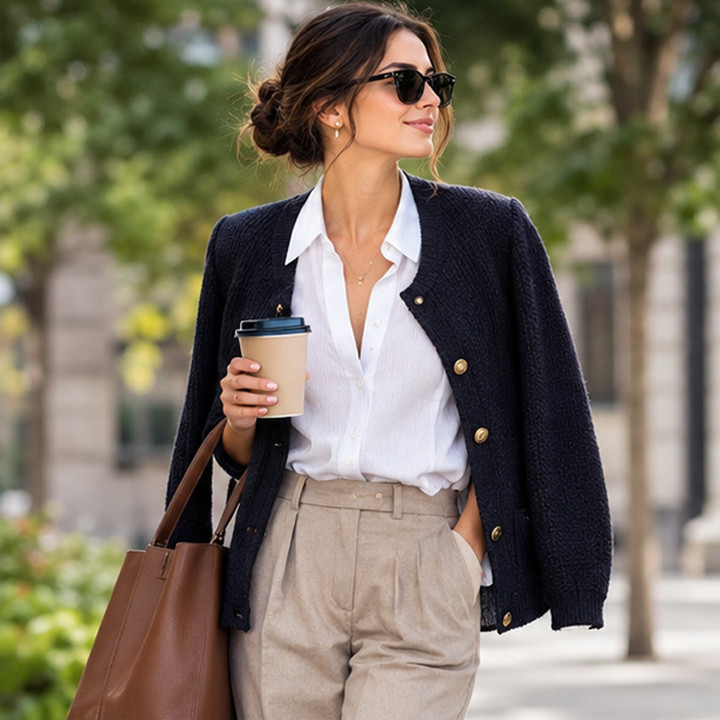
An outfit formula might be a fitted top with relaxed trousers and a lightweight outer layer. Another could be a simple dress with a structured layer. Once you discover combinations that suit your lifestyle, you can recreate the formula using different colours and fabrics.
These formulas save time while still leaving room for creativity. You are not wearing the exact same outfit repeatedly; you are using a reliable structure and changing the individual elements.
Give Every Piece Multiple Roles
Before adding something new to your wardrobe, consider how many different ways you can wear it.
A piece that works with only one particular outfit may have limited value, while something that complements several existing garments can become one of the most useful items you own.
Think about whether a piece can move between casual and polished settings, work with different layers, or complement both subtle and expressive combinations. The more roles it can play, the more value it brings to your wardrobe.
Refresh Familiar Pieces
You do not always need something new to make your wardrobe feel fresh. Sometimes, simply changing how you wear an existing piece can create an entirely different impression.
Try different tucks, layers, colour combinations, sleeves, or proportions. Wear a familiar piece with something you have not paired it with before. Even moving clothing from one part of your wardrobe into a different outfit category can inspire new ideas.
This approach encourages creativity and helps you see your existing wardrobe differently.
Choose With Intention
Creating more outfits with fewer pieces ultimately comes down to intentional choices. Every garment should have a purpose, but that purpose does not need to be limited to one type of outfit.
A versatile wardrobe is built around compatibility. When your pieces share complementary colours, practical silhouettes, comfortable fabrics, and adaptable designs, they naturally create more combinations.
You do not need an endless collection to dress well. You simply need clothing that works together and reflects how you actually live.
The real secret is to stop measuring a wardrobe by how much it contains and start measuring it by how much it can create. With fewer, more versatile pieces and a little imagination, getting dressed can become simpler, more personal, and far more rewarding.